


News
21.11.2025
The 11th Conference of the Black, Caspian Seas and Central Asia Silk Association (BACSA) was held in Tbilisi
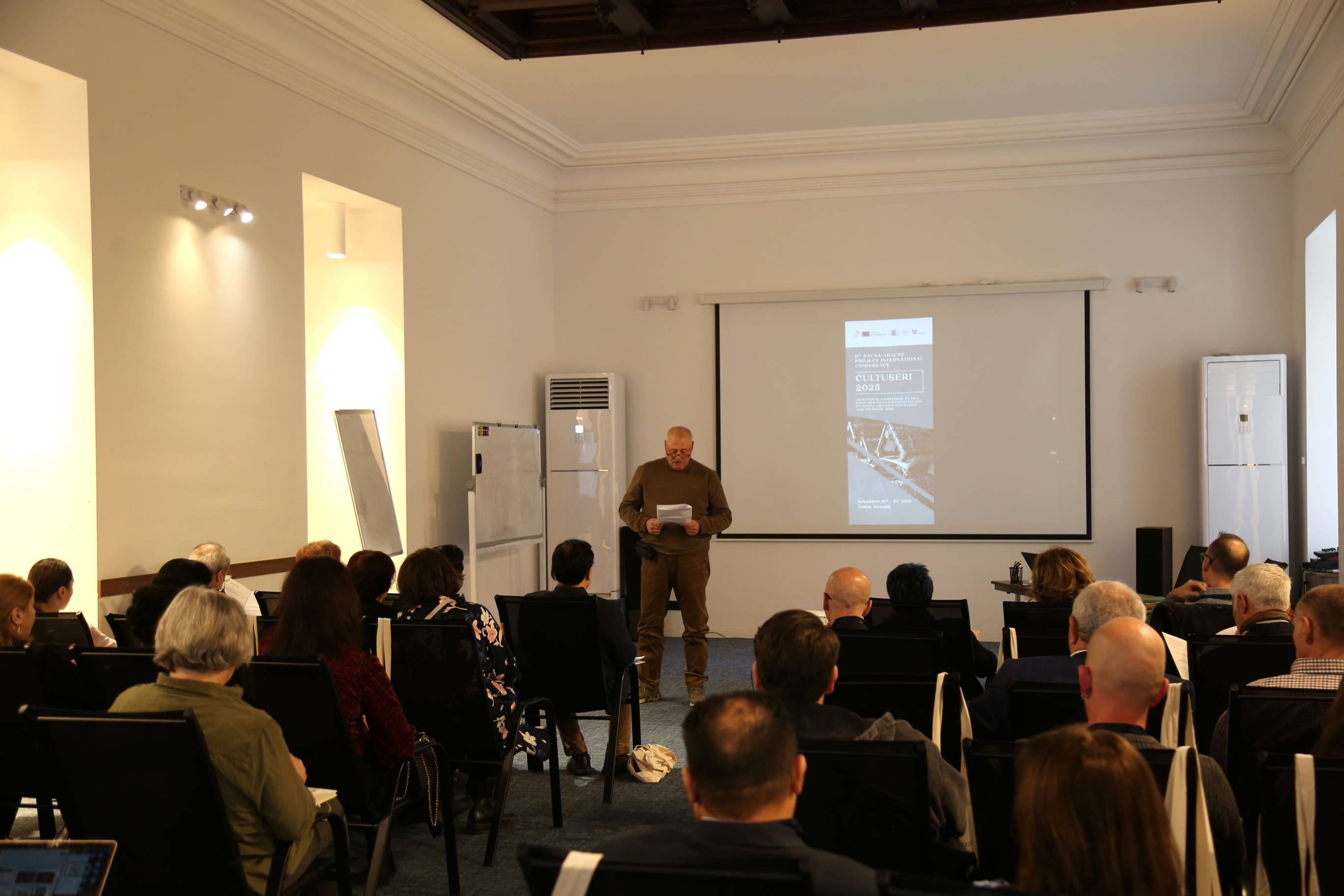 The 11th International Conference of the Black, Caspian Seas and Central Asia Silk Association (BACSA) - “Using Traditional Silk-Related Knowledge for Cultural, Creative Industries and Tourism Purposes” (CULTUSERI 2025) was held in Tbilisi from November 16-21.
The representatives from 13 countries participated in the conference, including sericulturists from Bulgaria, Italy, China, Japan and other countries. At the conference, participants presented the latest research results and practical experience in silk production, selection, innovative technologies and modern use of traditional knowledge.
At the conference, Nargiz Baramidze, Head of the Sericulture Laboratory of the LEPL Scientific-Research Center of Agriculture, presented a report entitled “Silkworm Gene Pool and Its Importance in the Revival of Georgian Silk,” which discussed the importance of preserving Georgian genetic resources of mulberry silkworm, the diversity of varieties, and the prospects for their use.
Within the framework of the conference, the participants visited the Sericulture Laboratory located at the Tsilkani base of the LEPL Scientific-Research Center of Agriculture, where they were introduced to the ongoing research and practical work on site.
The laboratory serves to preserve the gene pool of mulberry silkworms, breed new varieties, implement breeding programs and care for mulberry plantations, as well as develop innovative technologies in the field of sericulture and apply traditional knowledge in practice. The gene pool preserves ancient folk varieties and varieties obtained as a result of scientific selection, which still provide high-quality Georgian silk.
This conference is an important platform for international cooperation, knowledge sharing, and best practices among countries, which contributes to the sustainable development of the silk sector at the global level.
The event was held in collaboration with Horizon Europe's ARACNE project and organized by the Georgian State Silk Museum, the Georgian Agrarian University and the LEPL Scientific- Research Center of Agriculture.

.png)